Planner guide
Product launch emcee checklist: the reveal cue sheet.
A worked example and rehearsal checklist for coordinating the reveal, demo handover and Q&A at a product launch or opening ceremony in Singapore.
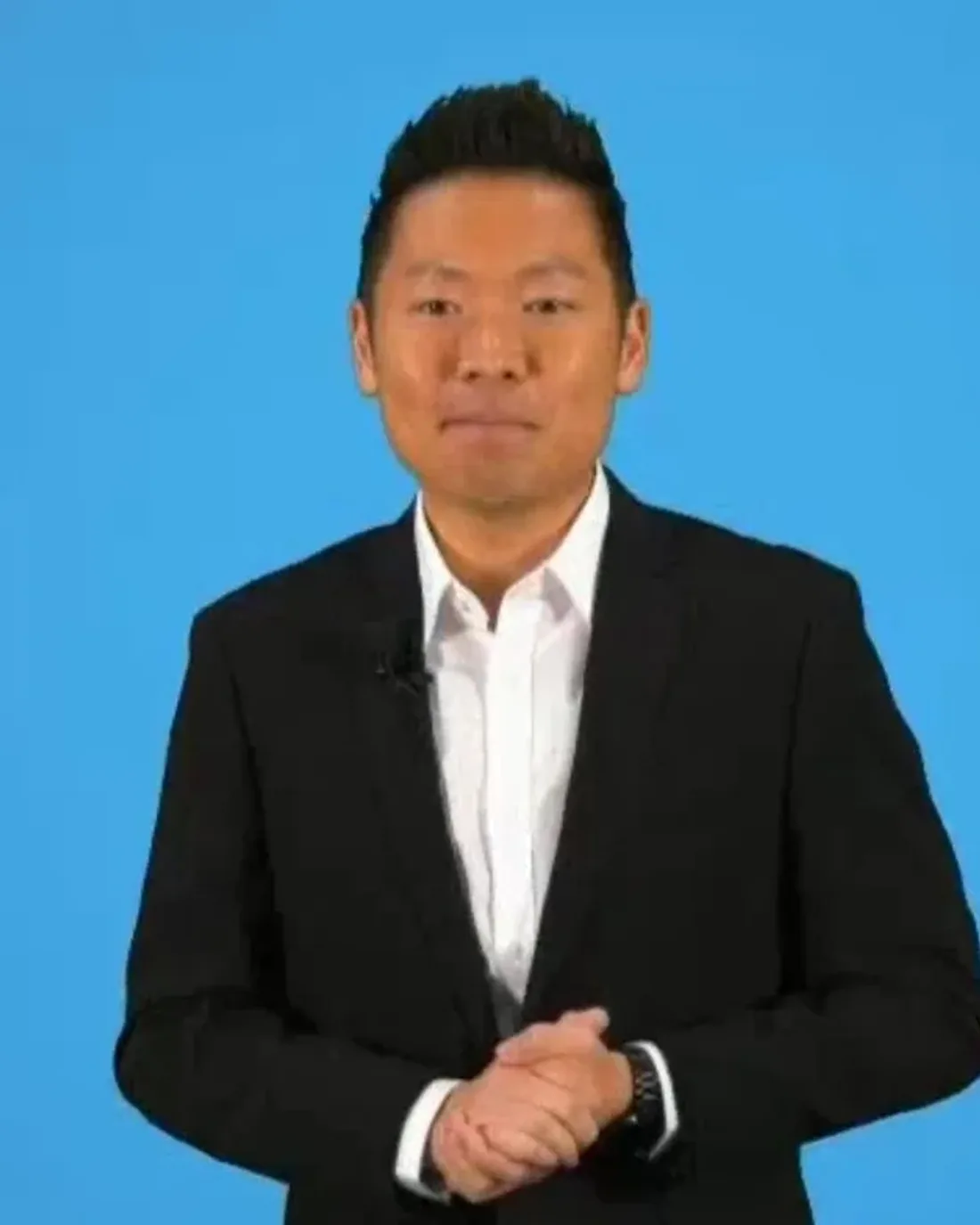
Illustrative planning resource: the sample words and production cues below are examples to adapt, not a transcript of James’s work or a promise about a booking. A product launch depends on precise coordination between the emcee, the show caller, the demo presenter and the AV team. This checklist covers a worked reveal cue-sheet example with standby and go signals, the handover between the host and the product demonstrator, a contingency for a late cue or failed demo, the photo position for the reveal moment, and the transition from presentation to Q&A.
The reveal cue sheet: a worked example
This is an illustrative example for a single-product reveal at a media or VIP launch event. Adapt the sequence to your actual production setup, product format and venue.
The show caller (your event producer or stage manager) confirms that the product is in position behind the reveal screen, the AV sequence is loaded, the lighting is set to pre-reveal state, and the demo presenter is ready backstage. The emcee receives a standby signal through the agreed channel (earpiece, visual cue or stage manager at the wing).
The emcee transitions from the preceding segment into the reveal build-up. Spoken sample: "In a moment, you are going to see something that [BRAND] has been working on for [TIME PERIOD]. [ONE APPROVED FACT ABOUT THE PRODUCT]. [AV TEAM], are we ready?" The AV team confirms (audio check, video roll standby).
The show caller gives the go signal. This is the single point of authority: the emcee does not start the countdown until the go is confirmed. Agree a maximum hold time with the show caller before the event. If the go does not come within the agreed limit, the show caller authorises either a brief pause (house lights and background music while the issue is resolved) or a skip to the next segment.
The emcee counts down: "Three, two, one." On "one", the AV operator triggers the reveal sequence (lighting change, screen drop, curtain pull or video). The emcee pauses for the audience reaction before speaking. Spoken sample after the reveal: "Ladies and gentlemen, [PRODUCT NAME]." The pause is deliberate: the product is the star, not the host.
The emcee introduces the person demonstrating the product. Spoken sample: "To walk you through what you are looking at, please welcome [PRESENTER NAME AND TITLE]." The emcee steps to the position agreed for this example and the demo presenter takes centre stage. The emcee's mic is muted or lowered during the demo.
The emcee introduces, transitions and closes. The demo presenter explains the product, operates the equipment and answers technical questions. These are separate roles. If the emcee is also expected to demonstrate the product, agree that scope explicitly in the quotation.
Real example: book reveal at the Singapore Actuarial Society gala
The Singapore Actuarial Society's 50th anniversary gala dinner on 20 August 2026 included a reveal of the book The Mark of an Actuary. The organiser's recap clip from 2:05 shows three visible beats in the edited video: stage guests raise their hands towards an illuminated Launch graphic on the screen, the book cover appears as the reveal visual, and the guests then hold copies of the book for handover photographs. The timestamps are markers in an edited recap, not the actual cue timing on the night. The Society also published a written announcement about the commemorative book.
For the checklist above, this is a concrete example of why to record separate cues for the visual reveal (the screen graphic changing) and the photo release (guests positioned with books), name an approver for each cue, and plan what the host says if the next cue has to wait for the photographer or the stage positioning to be ready.
When the cue is late or the demo fails
Plan for two specific failures before the event.
The emcee holds with crowd engagement: a question to the audience, a callback to the keynote, or a short anecdote. Agree a maximum hold time with the show caller. If the maximum is reached, the emcee announces a short pause: "We are going to take a brief moment while the team completes the setup. I will bring you right back." House lights up, background music, and the show caller resolves the issue.
Agree the contingency before the event. Options: the demo presenter switches to a pre-recorded video backup, the emcee transitions to the Q&A early, or the show caller calls a brief pause. The emcee's role is to manage the audience and the transition, not to troubleshoot the equipment. Spoken sample: "We are going to move to your questions while the team works on the setup."
Photo position and media coordination
For a product launch with media present, agree the following before the event.
Where does the official photographer stand during the countdown? Where should VIPs stand relative to the product? Agree the staging so the product, the VIPs and the brand backdrop are all visible in one frame.
If there is a ribbon-cutting or a physical unveiling, rehearse the timing. The photographer needs a clear line of sight, and the emcee pauses after the physical action for the photo before resuming.
If the event includes a press segment, confirm the duration, who selects questions, and who ends it. The emcee can moderate the Q&A (introduce each journalist, repeat the question for the room, manage timing) or hand it entirely to the presenter. Agree the format.
Q&A handover
The transition from presentation to Q&A can lose the room if it is not managed.
Spoken sample: "Thank you, [PRESENTER NAME]. We now have [DURATION] for your questions. If you have a question, please raise your hand and [CONFIRMED MICROPHONE OR QUESTION-SUBMISSION ARRANGEMENT]." State the format and duration so the audience knows the rules.
Before Q&A, agree who hands the microphone to guests, who passes online questions to the product team and who signals the last question. If the emcee is leading the handover, confirm when to repeat questions for the room and stream. Keep an organiser-approved starter question ready if needed.
Spoken sample: "We have time for one more question." Then: "Thank you all for your questions. [PRESENTER NAME], thank you for walking us through [PRODUCT NAME]." Transition to the next segment or close.
Rehearsal and backup checks
Run the countdown, lighting change, reveal mechanism and demo handover at least once in the actual venue with the actual equipment.
If the live demo fails, confirm that the backup is loaded, the AV operator knows the trigger, and it plays correctly.
The go signal must reach the emcee reliably. Test the earpiece, visual cue or runner signal in the room.
Position the VIPs, the product and the photographer for the reveal frame. Mark the positions on the stage.
Prepare one or two questions from the organiser's brief in case the audience is slow to start.
Scope and next steps
This checklist is a planning tool for product launch and opening ceremony organisers. The emcee coordinates the programme, manages the audience and handles transitions; the emcee does not provide AV equipment, event production or product demonstration unless explicitly agreed.
To discuss hosting for your product launch or opening ceremony, send your date, venue, programme outline and production-team contacts to James via the product launches page or WhatsApp.
Download the blank launch cue sheet (CSV) to record the reveal signal, demo handover and fallback. Browse the other planning templates for the rest of your programme.
When the programme includes a signing ceremony
A signing sequence needs approved document labels, signatory order and document handoffs rather than a product reveal cue. Use the main-site MOU signing ceremony programme and illustrative emcee cues and its printable signing cue sheet if that is part of your event. The organiser approves the actual sequence; these resources are not an event credit or confirmed booking inclusion.
Questions
How do I coordinate a product reveal with the emcee?
What happens if the product demo fails on stage?
Does the emcee also demonstrate the product?
How long should a product launch programme be?
Keep reading
Tell me about your event.
Share your event brief to check availability and agree the hosting scope.